
Beef Roasts
Slow-Cooking Cuts Built For Rich Flavor
Beef Roasts in Ridgefield for families planning Sunday dinners or meal prep with hearty grass-fed cuts that turn tender over low heat
Storyteller Farm provides grass-fed beef roasts including chuck roast, arm roast, and brisket, all raised on pasture and available for online order and pickup in Ridgefield, Washington. You select roasts based on how you plan to cook them, whether that means braising a chuck roast in the oven for several hours or smoking a brisket low and slow until the connective tissue breaks down. The cattle graze naturally on pasture with access to fresh water and free-choice minerals, producing beef that reflects the forage and seasonal conditions of Southwest Washington.
Grass-fed roasts benefit from long cooking times at low temperatures because the leaner meat and connective tissue need time to soften and develop flavor. The farm processes cattle in small batches and updates roast availability as new cuts are ready, so inventory rotates based on processing schedules rather than staying constant year-round. Roasts arrive vacuum-sealed and frozen, with each package labeled by cut and weight so you can plan portions and cooking times accordingly.
Order roasts online and schedule your pickup at the Ridgefield farm to stock your freezer with cuts ready for family meals.
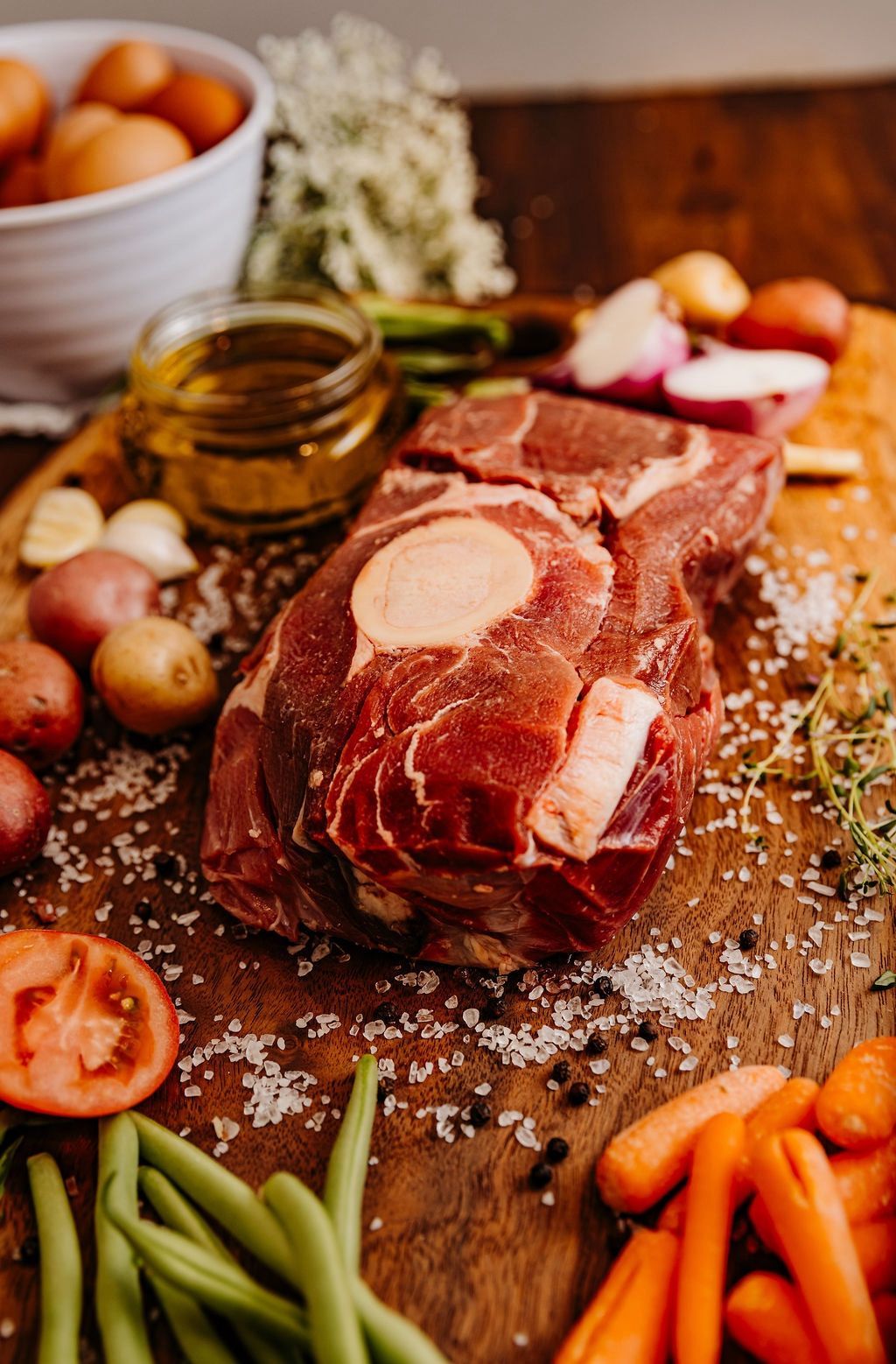
Choosing And Cooking Grass-Fed Roast Cuts
You choose roasts based on the cooking method you prefer and how much time you have. Chuck roast is well-marbled for a grass-fed cut and works well in a Dutch oven with liquid, while brisket is ideal for smoking or braising until the meat pulls apart easily. Arm roast sits between the two in terms of fat content and responds well to slow roasting or pressure cooking. All roasts from Storyteller Farm come from cattle that never received growth hormones or grain finishing, so the meat develops at a natural pace and reflects the pasture diet.
After you pick up your roast and cook it low and slow, you will notice the meat becomes tender and the fat renders into the cooking liquid, creating a rich base for gravy or sauce. The farm rotates grazing areas to maintain forage health, and the beef reflects the seasonal grasses and legumes available across the pasture. Grass-fed roasts may take slightly longer to reach tenderness than grain-finished cuts due to leaner muscle structure, so patience and low heat are essential.
The farm does not offer pre-seasoned or pre-marinated roasts, so all cuts arrive plain and ready for your preferred rubs or brines. Roast availability depends on how each carcass is divided, so larger cuts like whole brisket may be less common than smaller chuck or arm roasts.
Answers To Questions About Grass-Fed Roasts
Home cooks planning to use roasts for meal prep or special dinners often ask about cooking times, tenderness, and how to avoid dry results.
What is the best cooking method for grass-fed chuck roast?
Braising in liquid at low temperature, either in the oven or a slow cooker, allows the connective tissue to break down and keeps the leaner meat moist throughout cooking.
How long does it take to cook a grass-fed brisket?
Smoking at around 225 degrees typically takes one to one and a half hours per pound, depending on the size and your target tenderness.
Why does grass-fed beef sometimes take longer to become tender?
Lower fat content and denser muscle structure mean the meat needs more time for collagen to convert into gelatin, which is what makes roasts tender and flavorful.
When should I place my order if I need a roast for a weekend meal?
Ordering several days in advance ensures the cut you want is available and gives you time to schedule pickup before your cooking day in Ridgefield.
How much does a typical beef roast weigh?
Chuck and arm roasts usually weigh between two and four pounds, while whole briskets can range from eight to twelve pounds depending on the animal.
Check the online shop to see current roast availability and place your order for pickup at Storyteller Farm. Roast inventory updates after each processing date, so checking back regularly helps you plan meals around what is available from pasture-raised cattle.